The Phyllis Schlafly Report
By John and Andy Schlafly
Last Saturday more than half a million people took to the streets throughout France, unleashing wanton destruction not seen in decades there. As many as 3,000 businesses and retail stores were vandalized and looted, and some were burned to the ground.
Masked agitators broke into the Limoges Town Hall, a beloved 143-year-old architectural gem in central France, and set it on fire while employees and visitors were inside. Firefighters were unable to save the clock spire and bell tower, which collapsed in a ball of fire viewable on the internet.
These riots have injured an estimated 1,000 French police officers. More than 2,400 arrests have been made, and Paris neighborhoods have imposed a curfew between 11pm and 6am.
The business and financial capital of Italy, Milan, which features an immense Gothic cathedral containing 135 spires, was rocked by similar riots. Italy’s prime minister, Giorgia Meloni, vowed to crack down with emergency measures.
Portugal, Spain, and Albania have also been besieged by large-scale, sometimes violent protests. Tent cities have emerged within Madrid and Lisbon by people unable to afford housing, thereby creating the likelihood of additional crime.
Perhaps anxious about the potential political impact of this Leftist violence on how Americans vote in the midterm elections, the liberal media have blamed the unrest on deteriorating schools and a supposed lack of good teachers. But the French prime minister declared on Monday his conclusion that the “ultra-left movement” is “orchestrating profound disorder.”
Protesters appear to be targeting government buildings for arson, as additional structures were set on fire in Lille, Lyon, and Marseille. President Emmanuel Macron has vowed that those who are targeting public structures “will pay for their crimes.”
Similar riots could come to America if Democrats return to power in the midterm elections. Migrants who view the history of Western civilization with contempt are fueling this crisis, as President Trump and Vice President Vance have pointed out by attributing the violence to mass immigration.
“The migrants have taken over France,” Trump posted on his Truth Social on Monday morning. “They must CLOSE THE BORDERS, FAST!”
“I pray that France, a beautiful country of amazing people, will stop this madness before more of its landmarks burn,” Vance posted. “And I hope Americans are paying attention. This is the future congressional Democrats seek for your country.”
An estimated one out of three residents of France today is an immigrant or has a parent or grandparent who was an immigrant. French identity has nearly been lost, as it has been forfeited in London.
The rioters do not cherish the treasures of French culture. On Monday the government was forced to shut down the Louvre, which houses some of the greatest works of Western civilization, including Leonardo da Vinci’s Mona Lisa.
There are more than a million foreign students enrolled in American universities, many of whom are subsidized in graduate programs here. But under Trump’s leadership and his efforts to prioritize Americans, this influx of foreigners into our higher education declined for the 2025-26 year.
Republican U.S. Senator Jon Husted (OH) is a former All-American college athlete who is in a tight reelection race that may decide which party controls the U.S. Senate beginning in January. Husted’s race is so close that a Republican-aligned PAC is spending money to support a socialist third-party candidate who could split enough of the Democrat vote for Husted to win.
Husted has introduced bicameral legislation, joined by a House sponsor, to limit the number of foreign athletes to 20% of the varsity rosters of universities participating in federal student-aid programs under Title IV of the Higher Education Act. The University of Tennessee at Martin, for example, has a roster of 15 on its men’s basketball team, 14 of whom matriculated from a foreign country.
Roughly 60% of the University at Albany men’s basketball team this year are from foreign countries. These include players from Senegal, Croatia, Qatar, Canada, England, France, and Portugal; the player from Qatar has played professionally before joining the University at Albany college team.
There is no justification for giving taxpayer-funded slots, including scholarships, to foreigners to play on college teams that should be filled by Americans. Husted’s cap on foreign players at schools that accept federal funding should be enacted.
While none of these foreign basketball players are causing unrest here, in Europe the agitation is reportedly being fomented by students with too much time on their hands. Not long ago there was significant strife on our college campuses instigated by foreigners with ties to the Middle East, one of whom has just filed a petition in the U.S. Supreme Court.
If Democrats win the House and Senate in the upcoming midterm elections, it would be a step backward to the pro-immigration mistakes of the Biden administration.
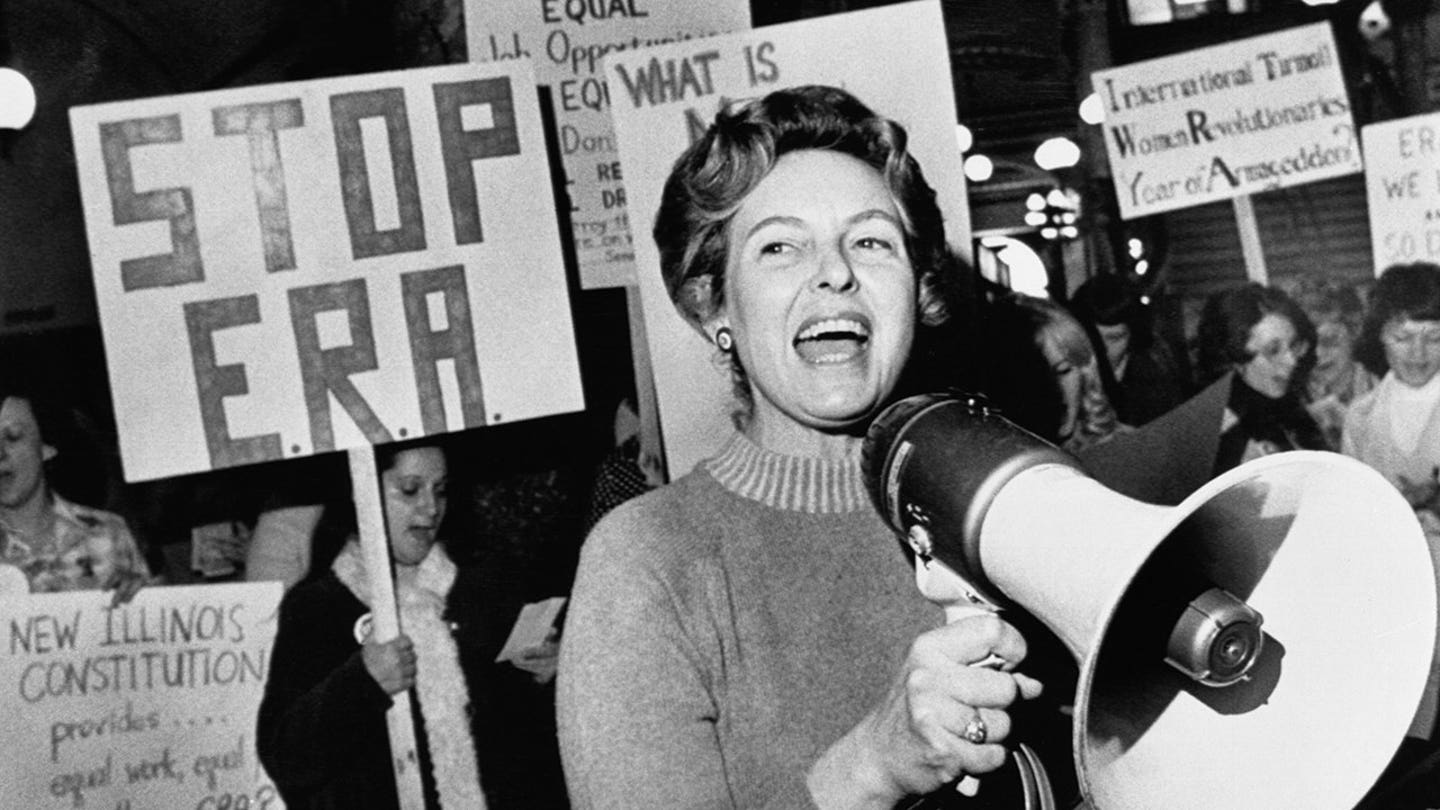
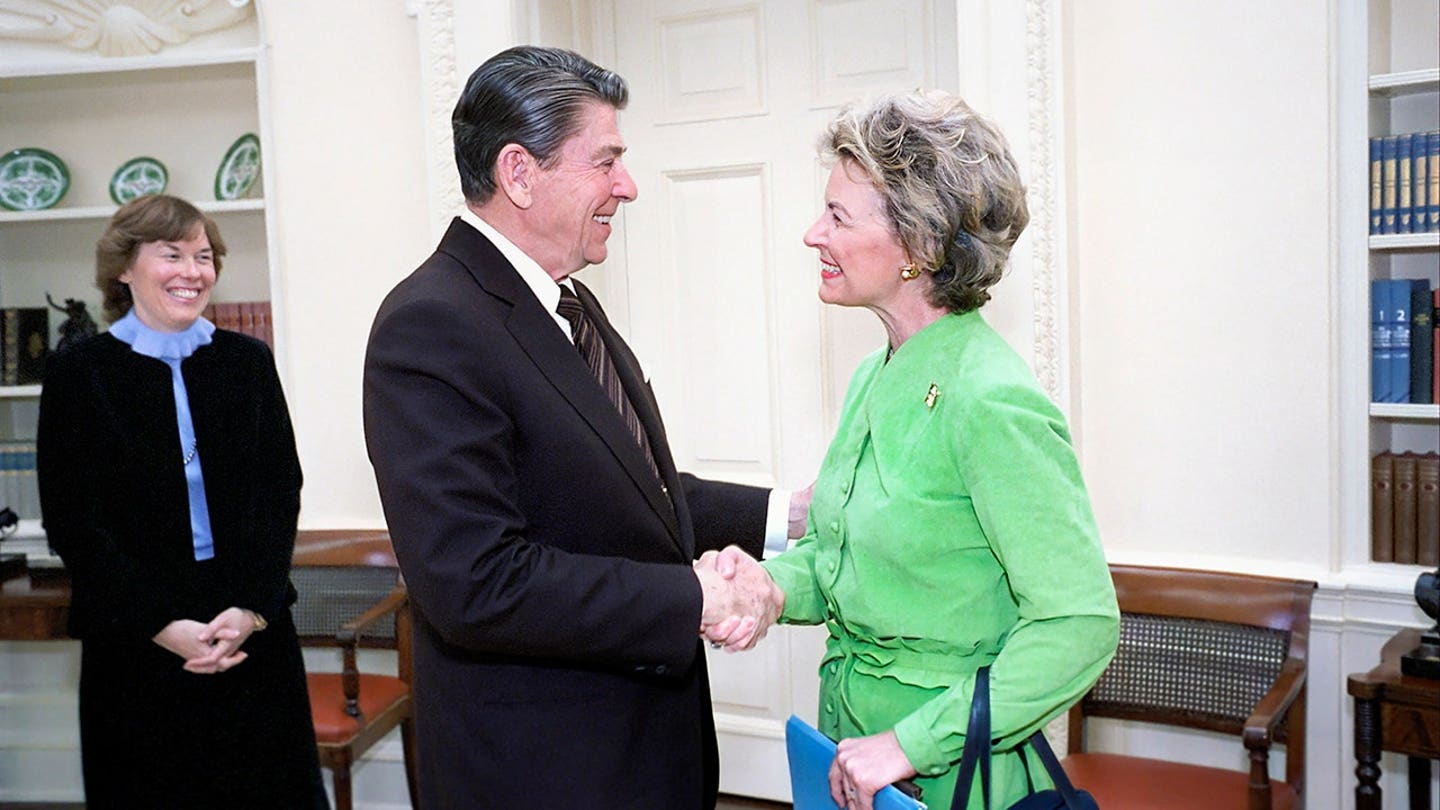
John and Andy Schlafly are sons of Phyllis Schlafly (1924-2016) and lead the continuing Phyllis Schlafly Eagles organizations with writing and policy work.
These columns are also posted on PhyllisSchlafly.com, pseagles.com, and Townhall.com.